The Pioneering Role of Artificial Intelligence in Modern Society
Explore the transformative power of Artificial Intelligence in modern society. Discover its impact on various sectors and the challenges we face.
Introduction to Artificial Intelligence
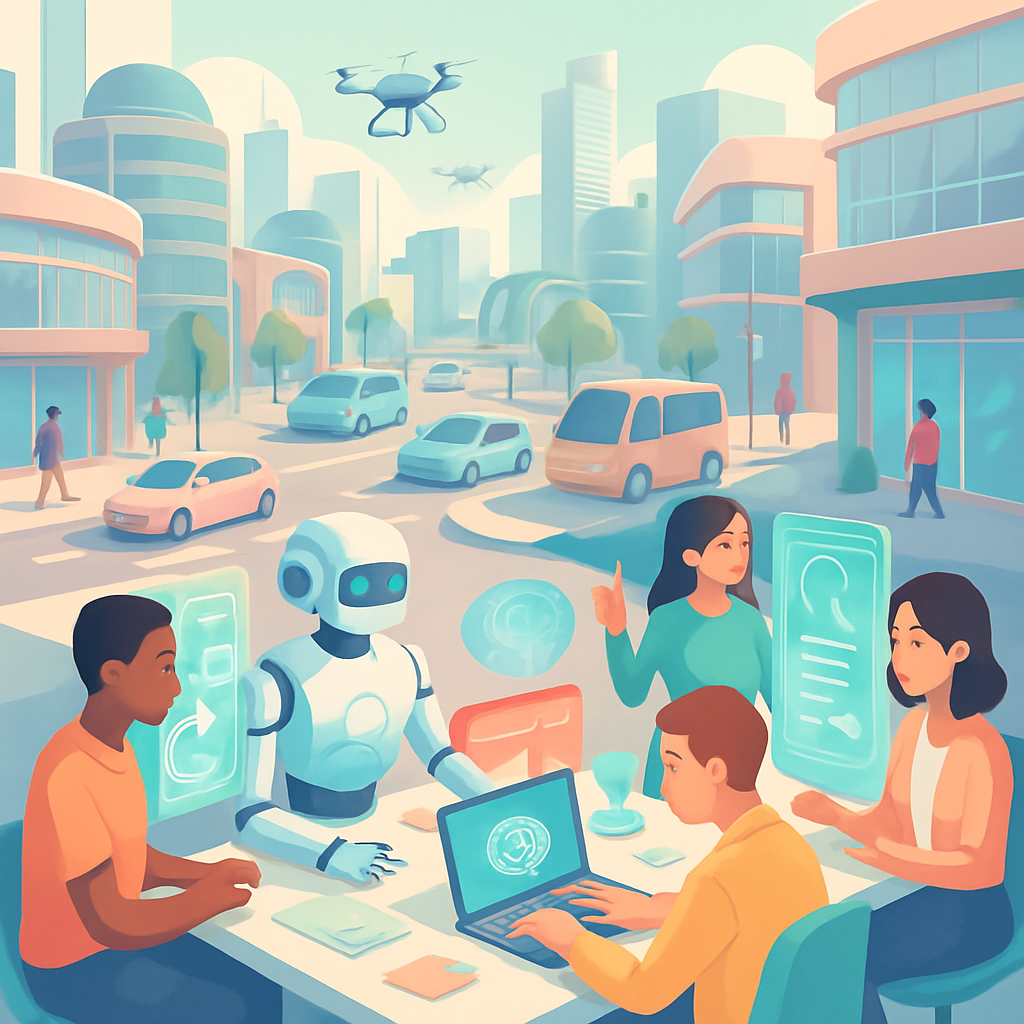
Artificial Intelligence (AI) is no longer a futuristic concept seen in movies; it is a practical tool impacting various facets of modern life. From healthcare to finance, AI’s influence is evident in our everyday experiences. This article will delve into how AI is revolutionizing our society, enhancing efficiency, and shaping our future.
The Rise of Artificial Intelligence
AI technology has seen phenomenal growth over the past decade. The integration of machine learning, natural language processing, and robotics has not only streamlined processes but also opened new horizons for innovation. Various sectors are harnessing AI to improve service delivery and optimize operations.
Key Areas Impacted by AI
- Healthcare: AI algorithms analyze vast datasets to assist in diagnosing diseases, predicting patient outcomes, and personalizing treatment plans. This assists doctors in making more informed decisions.
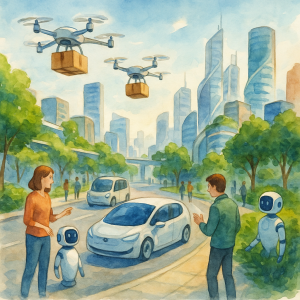
- Transportation: Self-driving cars and AI-driven traffic management systems are enhancing road safety and efficiency, reducing congestion and accidents.
- Finance: AI is employed to detect fraudulent activities, automate trading, and provide personalized financial advice based on user data.
- Education: Adaptive learning platforms powered by AI allow for personalized educational experiences, catering to individual learning paces and styles.
- Customer Service: AI chatbots and virtual assistants are transforming customer interactions, providing instant responses and solutions to consumers’ queries.
Benefits of Artificial Intelligence
The benefits of AI are vast and varied. Some of the most notable advantages include:
- Increased Efficiency: AI can perform repetitive tasks without fatigue, allowing human workers to focus on more complex activities.
- Enhanced Precision: In fields like medicine, AI enhances accuracy in diagnostics, thereby improving treatment outcomes and patient safety.
- Data-Driven Insights: AI systems can analyze large amounts of data rapidly, uncovering patterns that would be difficult for humans to detect, leading to informed decision-making.
Challenges and Ethical Considerations
While the advancements in AI are remarkable, they also present challenges that must be addressed:
- Data Privacy: The collection and analysis of personal data by AI systems pose significant privacy concerns. It is crucial to implement robust security measures.
- Job Displacement: As AI takes over routine tasks, there is concern regarding job losses. It is essential to focus on retraining and upskilling the workforce.
- Bias in AI: AI systems are only as good as the data they are trained on. If the data is biased, it can lead to unfair outcomes in decision-making processes.
Conclusion
Artificial Intelligence is more than just a trend; it is a revolutionary force shaping various aspects of our lives. While embracing its advantages, it is crucial to address the ethical challenges it presents. As we navigate this evolving landscape, striking a balance between innovation and responsibility will be key to ensuring that AI enhances human potential rather than undermines it.