Exploring the Impact and Future of Artificial Intelligence
Artificial Intelligence (AI) is revolutionizing our world, from enhancing productivity to transforming interactions with technology. Explore its impacts and future.
Introduction to Artificial Intelligence
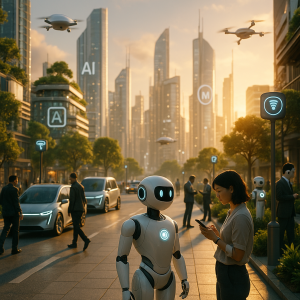
Artificial Intelligence (AI) has transformed our world in numerous ways. From enhancing productivity in industries to revolutionizing how we interact with technology, AI is becoming an integral part of our daily lives. As we delve into this fascinating subject, we will explore the various aspects of AI, its benefits, challenges, and what the future holds for this powerful technology.
What is Artificial Intelligence?
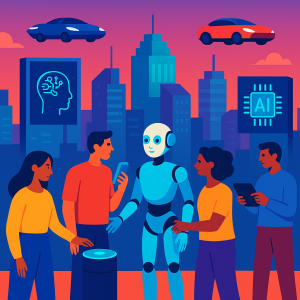
AI refers to the simulation of human intelligence in machines that are programmed to think and learn like humans. It encompasses a wide range of technologies, including machine learning, natural language processing, and robotics. The goal of AI is to create systems that can perform tasks that typically require human intelligence.
Types of Artificial Intelligence
- Narrow AI: Also known as weak AI, narrow AI is designed to perform a specific task, such as voice recognition or recommendation systems.
- General AI: This type of AI aims to understand and learn any intellectual task that a human can do, although it is still largely theoretical.
- Superintelligent AI: Theoretical AI that surpasses human intelligence in every aspect, from creativity to problem-solving.
Benefits of Artificial Intelligence
AI presents numerous advantages across various fields. Here are some noteworthy benefits:
- Increased Efficiency: AI automates routine tasks, leading to enhanced efficiency and productivity in the workplace.
- Data Analysis: AI can analyze vast amounts of data quickly and accurately, providing insights that were previously unattainable.
- Improved Decision-Making: With predictive analytics and machine learning algorithms, businesses can make informed decisions that drive growth.
- Enhanced Customer Experience: AI-powered chatbots and virtual assistants provide personalized experiences that improve customer satisfaction.
Challenges of Artificial Intelligence
Despite its benefits, AI poses several challenges that must be addressed:
- Ethical Concerns: The use of AI raises ethical questions regarding privacy, jobs, and bias in decision-making.
- Security Risks: AI systems can be vulnerable to hacking and cyber attacks, which can have severe consequences.
- Dependence on Technology: As we integrate AI into our lives, there is a risk of becoming overly reliant on machines for tasks that require human intuition and emotion.
The Future of Artificial Intelligence
The future of AI looks promising yet complex. Innovations are occurring at an unprecedented pace, leading to potential advancements such as:
- Healthcare Innovations: AI can revolutionize diagnostics, treatment personalization, and patient care.
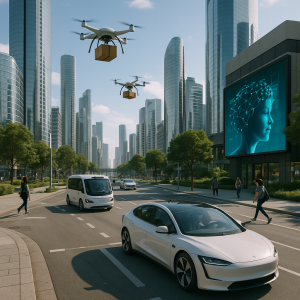
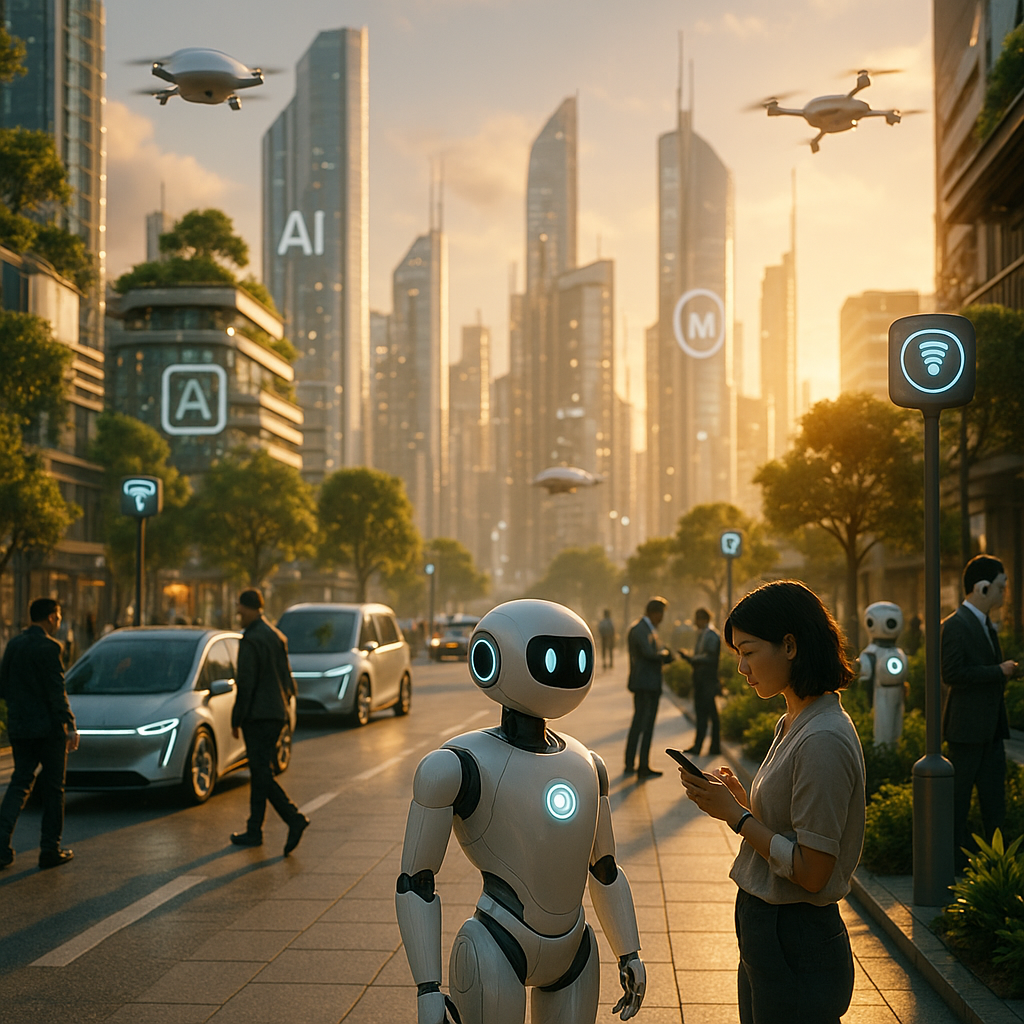
- Autonomous Vehicles: AI is a crucial component in the development of self-driving cars, which may redefine transportation.
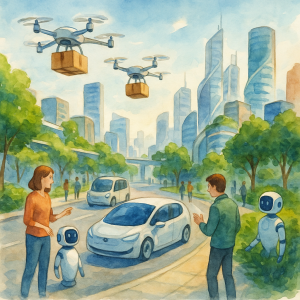
- Smart Cities: AI technology will contribute to building smart cities that ensure sustainability and enhance urban living.
Conclusion
Artificial Intelligence is undeniably shaping our future. While we explore the possibilities, it is imperative to address the challenges and ethical implications associated with this powerful technology. Striking the right balance between innovation and responsibility will ensure that AI serves humanity’s best interests.