Artificial Intelligence: The Frontier of Technological Progress
This article delves into the remarkable journey of artificial intelligence, highlighting its applications, benefits, challenges, and the exciting future ahead.
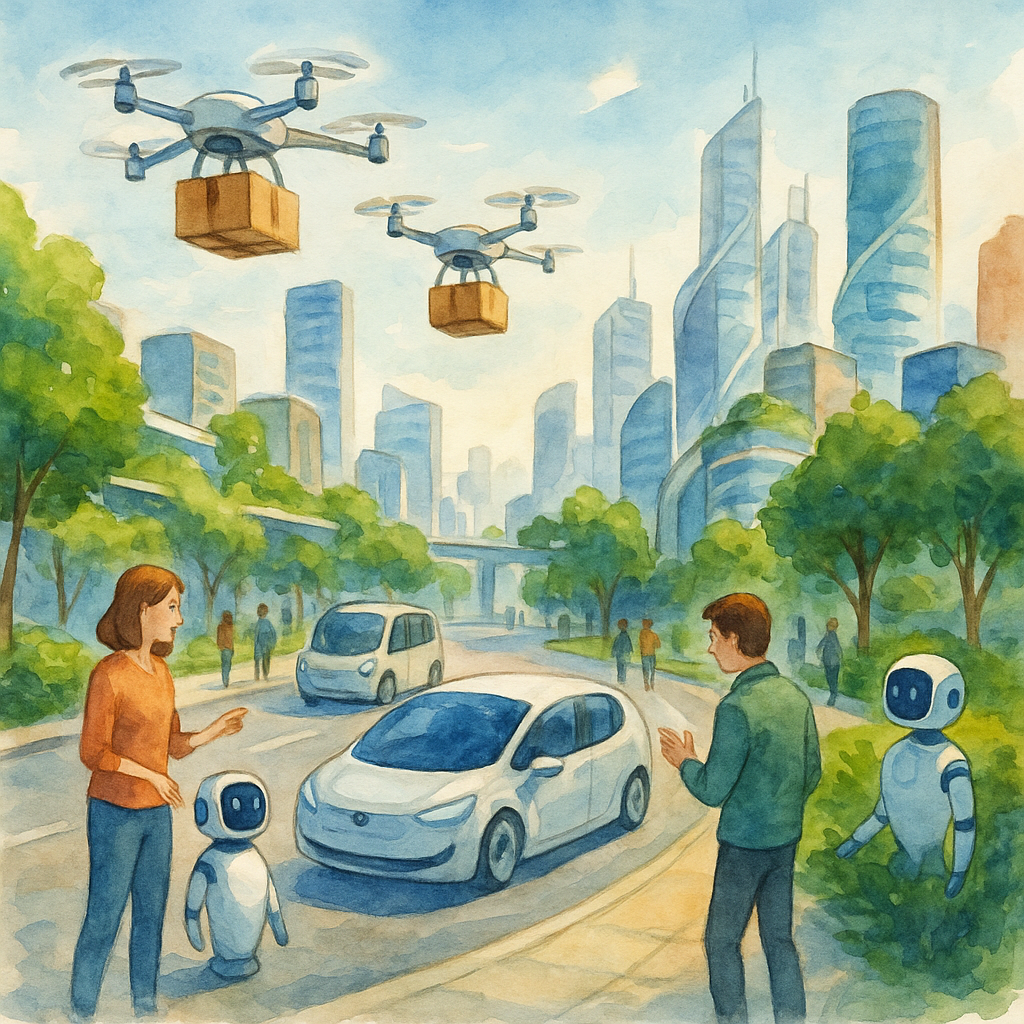
The Emergence of Artificial Intelligence
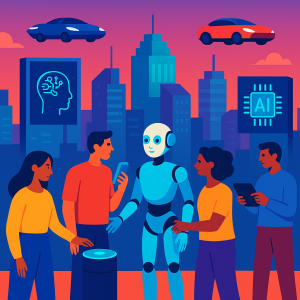
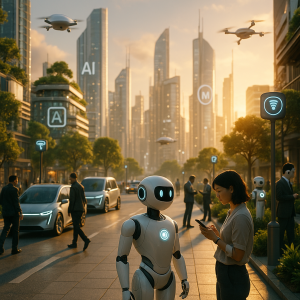
Artificial Intelligence (AI) has emerged as a cornerstone of modern technology, driving advancements across various domains. From healthcare to finance, AI systems are revolutionizing the way we interact with machines and make decisions. This article explores the dynamic landscape of AI, its applications, and the potential it holds for the future.
What is Artificial Intelligence?
At its core, Artificial Intelligence refers to the simulation of human intelligence in machines that are programmed to think and learn like humans. These systems can perform tasks that typically require human intelligence, such as understanding natural language, recognizing patterns, and making predictions. AI encompasses various disciplines, including machine learning, neural networks, and natural language processing.
Applications of AI
The applications of AI are vast and varied, impacting numerous industries. Some of the key areas where AI is making significant contributions include:
- Healthcare: AI is transforming patient care through predictive analytics, diagnosis assistance, and personalized medicine.
- Finance: AI enhances fraud detection, algorithmic trading, and automates customer service interactions.
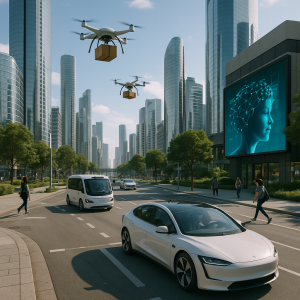
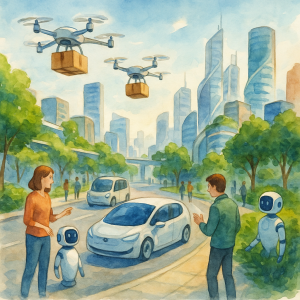
- Transportation: Self-driving vehicles utilize AI to navigate complex environments and improve road safety.
- Manufacturing: Smart factories integrate AI for predictive maintenance and operational efficiency.
- Entertainment: AI-driven recommendations personalize user experiences in streaming services and gaming.
The Benefits of AI
AI offers numerous advantages, including:
- Increased efficiency and productivity in repetitive tasks.
- Improved accuracy and decision-making capabilities.
- Enhanced user experiences through personalization and automation.
- 24/7 availability and reduced operational costs for businesses.
Potential Challenges and Ethical Considerations
Despite its benefits, the rise of artificial intelligence brings forth challenges and ethical dilemmas. Key issues include:
- Job displacement: Automation threatens traditional jobs, necessitating a shift in workforce skills.
- Bias and fairness: AI systems may perpetuate existing biases if not designed thoughtfully.
- Security and privacy: The use of AI in data collection raises concerns about user privacy and data security.
The Future of Artificial Intelligence
The future of artificial intelligence is both exciting and uncertain. As technology continues to evolve, we can expect AI to play an increasingly pivotal role in shaping various aspects of our lives. Emerging trends such as explainable AI, collaborative robots, and AI ethics will be essential in ensuring that AI serves humanity positively.
Ultimately, while artificial intelligence holds tremendous potential, societal engagement, regulatory guidance, and ethical frameworks will be critical in managing its growth and impact on individuals and communities worldwide.